
Expert Advice for Expats Buying Real Estate in Spain
Buying a property in Spain can be an exciting step, whether you are looking for a permanent home, a holiday property, or an investment. However, the process is very different from buying property in the UK or other countries, and it is important to understand the legal, tax, and administrative requirements before committing.
For international buyers, the biggest risks usually arise when contracts are signed too quickly, legal checks are skipped, or hidden planning, debt, or registration issues are discovered too late.
At BH Property Law, we help buyers navigate the Spanish property process safely, clearly, and with the right professional support from start to finish.
1. Understand the Spanish Buying Process
The property-buying process in Spain usually involves several stages: reservation, legal checks, private contract, notary signing, payment of taxes, and registration of the title deed.
Unlike in some countries, a deposit or private contract can create serious legal and financial obligations. This is why it is important to obtain independent legal advice before signing anything or transferring funds.
A good conveyancing lawyer will check the legal position of the property, review the documentation, advise on the risks, and make sure the terms of the purchase protect your interests.
2. Apply for Your NIE Number Early
Foreign buyers normally need an NIE number to complete a property purchase in Spain. The NIE is the official identification number for foreigners and is used for tax, legal, and administrative matters. Official Spanish consular guidance describes it as a personal, unique number assigned to foreigners who, for economic, professional, or social reasons, require identification in Spain.
It is sensible to apply for this as early as possible, as delays in obtaining an NIE can slow down the purchase process, especially if completion is due to take place quickly.
3. Carry Out Proper Legal Due Diligence
Before you commit to buying, your lawyer should carry out detailed checks to confirm exactly what you are buying and whether there are any hidden problems.
These checks may include confirming legal ownership, reviewing the Land Registry information, checking for mortgages, debts, embargoes, community fees, planning issues, unpaid taxes, and whether the property matches the legal documentation.
Particular care should be taken with properties that have extensions, swimming pools, annexes, terraces, outbuildings, or rural land, as these may require additional planning or legalisation checks.
The aim is simple: you should know the legal position of the property before you sign, not after.
4. Check Planning, Licences, and Property Legality
Planning issues are one of the most common causes of problems in Spanish property transactions.
A property may look perfectly normal, but parts of it may not be correctly registered, licensed, or legalised. This can affect future sales, mortgage applications, insurance, renovations, or dealings with the Town Hall.
Your lawyer, and where necessary an architect, should check whether the property complies with local planning rules, whether any works have been properly declared, and whether the property has the appropriate documentation, such as a licence of first occupation or habitation certificate where applicable.
If issues are found, they should be explained clearly before completion so you can decide whether to proceed, renegotiate, require the seller to resolve them, or walk away.
5. Budget for Purchase Costs and Taxes
When buying in Spain, the purchase price is not the total cost. Buyers must also budget for taxes, notary fees, Land Registry fees, legal fees, and other completion costs.
The tax treatment depends on whether the property is a resale or a new-build. Resale properties are generally subject to ITP, while new-build homes are usually subject to IVA/VAT. The Spanish Tax Agency states that the general VAT rate for the sale of homes is currently 10%.
ITP and AJD are regional taxes, so the exact rates depend on the autonomous community where the property is located.
As a broad guide, many buyers set aside around 10–15% of the purchase price for taxes and purchase costs, although the exact figure should always be checked for the specific property and region.
6. Review Contracts Before Signing
Property contracts in Spain can have serious consequences. Reservation agreements, deposit contracts, private purchase contracts, and other written agreements should all be reviewed before signing.
Your lawyer should make sure that the contract accurately reflects what has been agreed, protects your deposit, sets clear completion deadlines, deals with any outstanding legal or planning issues, and explains what happens if either party fails to complete.
Never rely on verbal assurances. If something is important, it should be written into the contract properly.
7. Be Clear About Residency and Tax Position
Buying a property in Spain does not automatically give you the right to live in Spain permanently.
Your residency position will depend on your nationality, personal circumstances, time spent in Spain, and whether you need a visa or residence permit. The old property-investment Golden Visa route should no longer be relied upon, as Spain ended the investor residence provisions from 3 April 2025 under Organic Law 1/2025.
You should also understand your ongoing tax responsibilities. These may include IBI/property rates, non-resident tax, income tax on rental income, wealth tax where applicable, and capital gains tax if the property is sold in the future.
Good tax advice at the beginning can help avoid problems later.
8. Understand Ongoing Ownership Obligations
Once you own a property in Spain, there are ongoing responsibilities to keep in mind.
These may include annual property taxes, community fees if the property is part of a community of owners, insurance, maintenance costs, non-resident tax declarations, and local Town Hall obligations.
If you plan to rent the property, additional rules may apply, including rental income declarations and, in some areas, tourist licence requirements.
Understanding these obligations before buying allows you to budget properly and avoid unexpected issues after completion.
9. Avoid Common Mistakes
Many problems in Spanish property purchases can be avoided with the right checks and advice.
Common mistakes include signing contracts too early, paying deposits before legal checks are complete, assuming extensions or pools are legal, underestimating taxes and fees, relying on verbal promises, failing to check debts, and using advisors who are not acting independently for the buyer.
The safest approach is to slow the process down enough to check everything properly before becoming legally committed.
10. Work With Independent Professionals
A smooth purchase depends on having the right professional team.
An independent conveyancing lawyer protects your legal interests. A tax advisor helps you understand your financial obligations. An architect may be needed to check planning, construction, and legalisation matters. A reputable estate agent can help with the commercial side of the transaction.
At BH Property Law, we bring these services together to give international buyers clear, practical support throughout the process.
Conclusion
Buying property in Spain can be a fantastic decision, but it should never be approached casually. The legal, tax, planning, and administrative checks are essential to making sure the property is safe to buy and that there are no hidden problems waiting after completion.
With the right guidance, you can proceed with confidence, knowing that the property has been properly checked, the contracts have been reviewed, and the transaction is being handled correctly.
If you are planning to buy property in Spain and would like independent legal, tax, or planning support, contact BH Property Law for clear, professional guidance from start to finish.

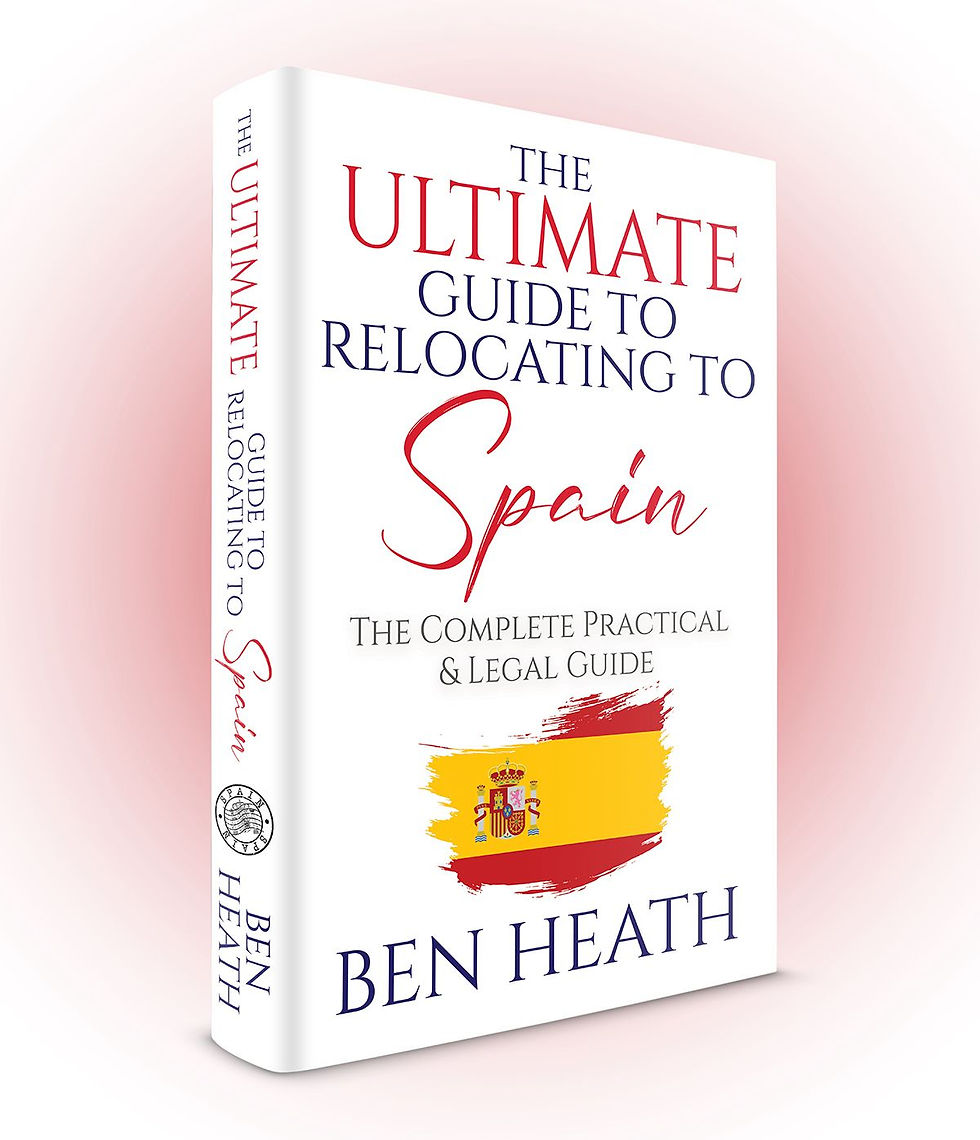

Guidance is essential for expats navigating foreign property laws and customs. Trusted advice reduces costly mistakes. This is why many buyers compare international options, including homes for sale in lisbon portugal, when planning long-term relocation.